
Welcome
The Cooperative Ecosystem Studies Units (CESU) Network is a national consortium of federal agencies, tribes, academic institutions, state and local governments, nongovernmental conservation organizations, and other partners working together to support informed public trust resource stewardship. The CESU Network includes more than 500 non-federal partners and 19 federal agencies across seventeen CESU networks representing biogeographic regions encompassing all 50 states, the District of Columbia, and U.S. insular areas. The CESU Network is well positioned as a platform to support research, technical assistance, education and capacity building that is responsive to long-standing and contemporary science and resource management priorities.

Building Resilient Eelgrass Meadows Through Collaboration
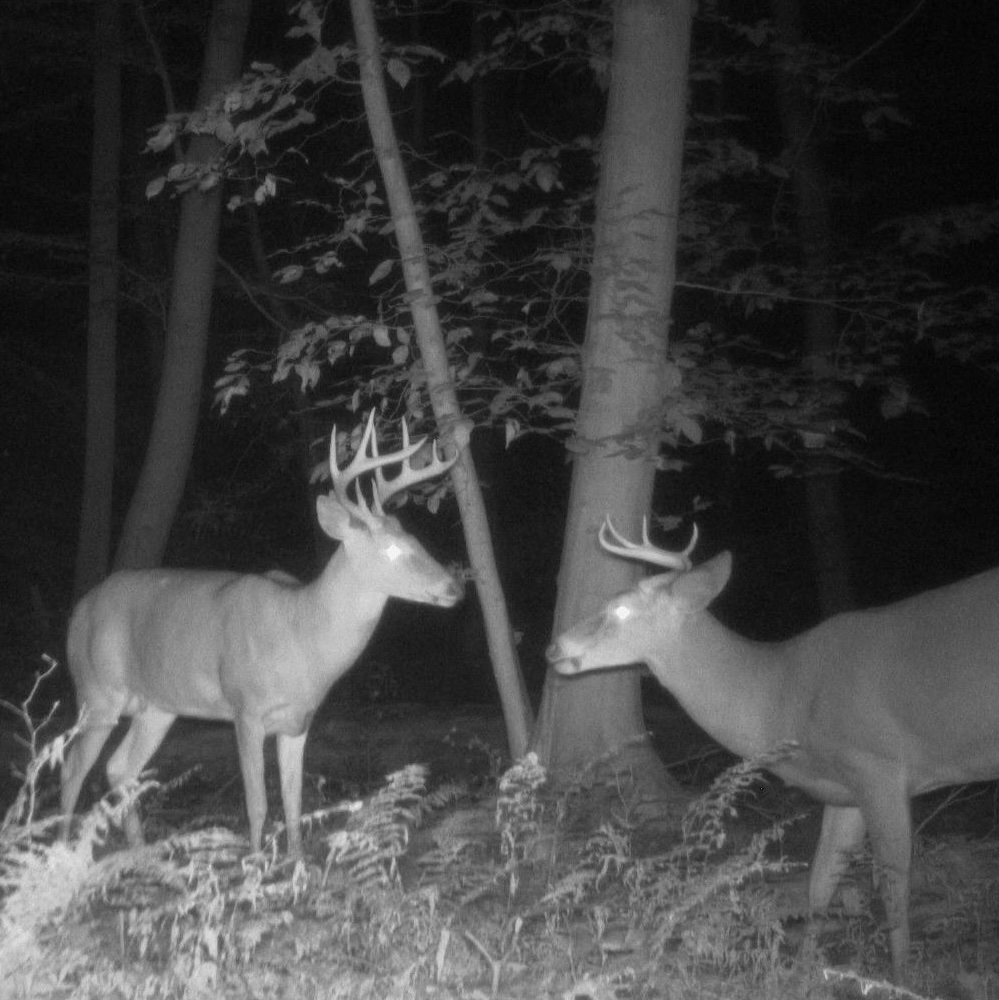
The Science of Deer Counting
From August to October in 2020 and 2021, H. Bryan Underwood of USGS Eastern Ecological Science Center and Donald Leopold of SUNY College of Environmental Science and Forestry studied white-tailed deer in the fertile forests of Delaware. Their goal was to develop a cost-effective and efficient method for estimating deer...
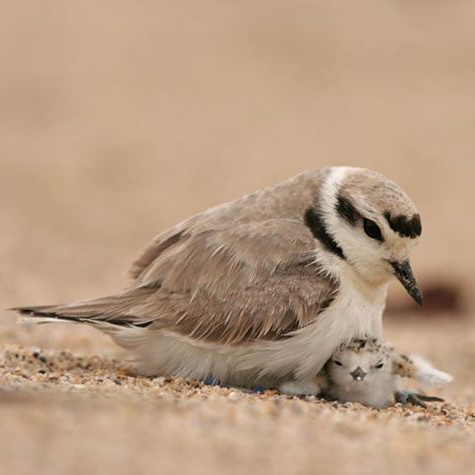
Monitoring and Protecting Oregon’s Western Snowy Plover
Along the dynamic and windswept beaches of Oregon’s coast, a rare and resilient bird has made a remarkable comeback. The western snowy plover (Anarhynchus nivosus nivosus), once nearly extirpated from the region, is now at the center of one of the longest-running and most collaborative shorebird conservation efforts in the...
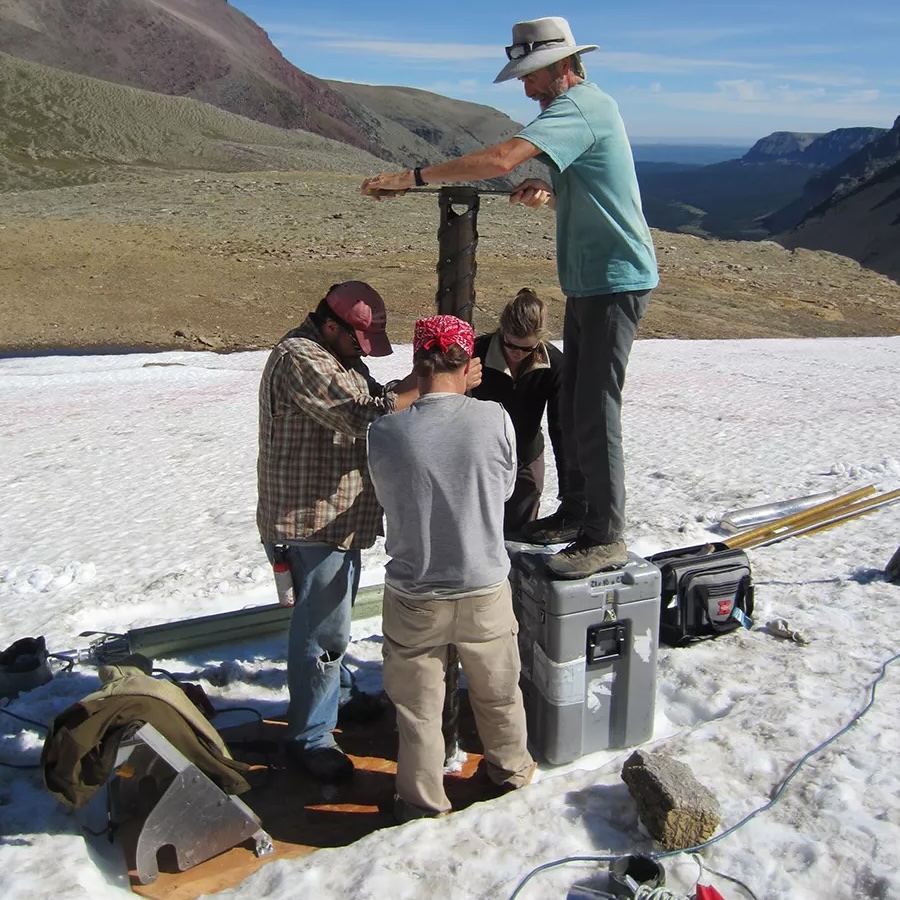
Frozen in Time
The Glacier National Park Ice Patch Archeology and Paleoecology Project is a collaborative research effort between Rocky Mountain CESU partners: Glacier National Park, CU Boulder, Montana State University, University of Wyoming, University of Arizona, the Confederated Salish and Kootenai Tribes of the Flathead Reservation, the Blackfeet Nation, and units of...
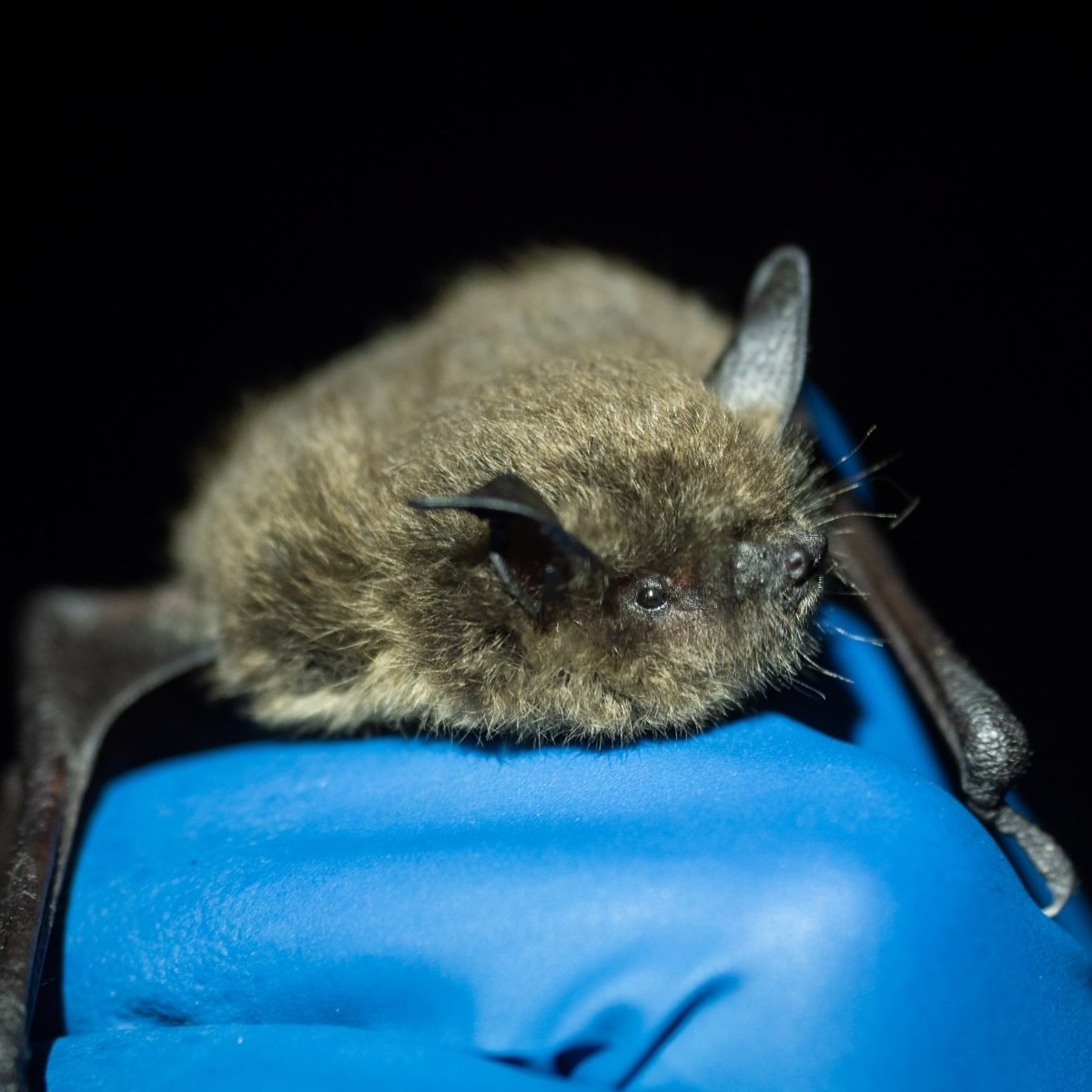
Echoes in the Night
In the quiet darkness of Pacific Northwest forests, bats perform a vital ecological service: chowing down. From tiny midges and biting flies that bother humans, to moths that threaten crops, to beetles that affect forest health, bats consume a remarkable diversity of insects. They also serve as an important food source for birds of prey, such as hawks and falcons. Whether predator or prey, bats help keep ecosystems in balance. Yet in recent years, these nocturnal mammals have faced a deadly threat: white-nose syndrome (WNS).